Handrails play a key role in ensuring both safety and visual cohesion across residential, commercial, and public environments. When selecting the right material, stainless steel and aluminum are among the most common choices—each offering unique advantages and trade-offs.
In this guide, we’ll explore the differences between stainless steel vs aluminum handrails and help you choose the right fit for your next project.
Comparing Stainless Steel and Aluminum Handrails
Before diving into specifics, let’s look at how these two materials differ across a few key factors.
Appearance and Aesthetic Flexibility
Both aluminum and stainless steel offer clean, modern finishes—but with distinct looks. Stainless steel is known for its high-shine, cool-toned surface that fits well in minimalist and industrial spaces.
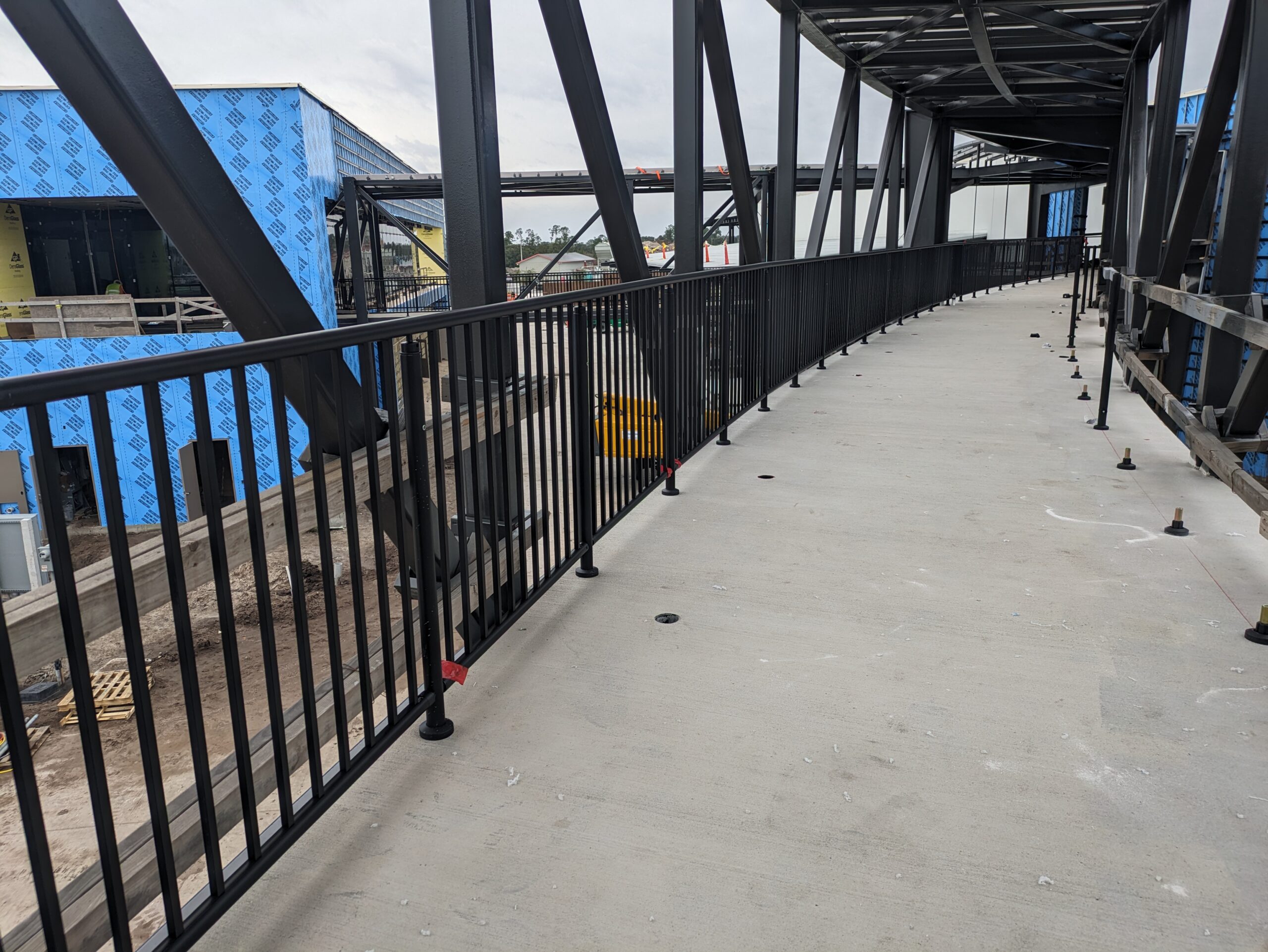
Aluminum handrails, by contrast, come in a wider range of finishes and can be anodized or powder-coated in colors like black, bronze, silver, and champagne. This makes aluminum ideal for projects that need more visual flexibility.
Durability and Strength
Stainless steel is heavier and harder than aluminum, giving it high resistance to dents and physical damage. It’s a go-to option in busy commercial buildings or public areas where durability is a must.
Aluminum is naturally corrosion-resistant and becomes highly durable with an anodized or powder-coated finish. It’s scratch-resistant and long-lasting in both indoor and outdoor environments.
Corrosion Resistance
Stainless steel resists corrosion but may still show signs of rust in coastal, humid, or chlorinated areas—especially if the surface is scratched. Aluminum does not rust and excels in moisture-prone locations such as outdoor stairs, ramps, or pool decks.
Weight and Ease of Installation
Aluminum is significantly lighter than stainless steel, making it easier to handle, transport, and install. This makes aluminum handrails especially popular for DIY installations or projects with structural limitations.
Stainless steel’s weight can increase installation time and cost, often requiring professional labor and added reinforcements.
Cost and Maintenance
Stainless steel is more expensive, both in terms of material cost and installation. It also requires regular upkeep to maintain its shine and appearance.
Aluminum is more cost-effective and low-maintenance. Its finishes are engineered to hold up over time with minimal cleaning or treatment.
Best Applications for Each Material
Choosing the right material depends on your space, climate, and budget.
Stainless Steel Handrails

- Commercial and industrial buildings
- Modern interior spaces
- Facilities requiring heavy-duty strength
Aluminum Handrails

- Homes and multifamily buildings
- Schools, churches, and community centers
- Outdoor stairways, ramps, balconies, and decks
- Moist or coastal environments
Environmental and Climate Considerations
Your local climate is an important factor. In coastal or humid regions, aluminum’s natural resistance to corrosion makes it more reliable than stainless steel. Even high-grade stainless steel can show signs of surface pitting or staining in these conditions.
Aluminum’s lightweight profile and durability also make it ideal for places with temperature swings, snow, and UV exposure.
Recyclability and Environmental Impact
Both stainless steel and aluminum are recyclable, but aluminum offers a greater environmental benefit. It’s one of the most recycled materials globally and requires far less energy to recycle than to produce.
By selecting aluminum handrails—especially from manufacturers focused on sustainable processes—you can reduce your environmental footprint and contribute toward LEED goals.
Why Promenaid Offers Superior Aluminum Handrails

At Promenaid, we exclusively manufacture aluminum handrails because they offer the best combination of performance, versatility, and visual appeal across a wide range of applications. Here’s what sets our products apart:
Anodized Finish
A scratch-resistant, long-lasting finish that performs in both indoor and outdoor settings without flaking or fading.
Color and Style Options
Select from satin black, silver, architectural bronze, or champagne silver. For a natural wood look, TrueWood™ wraps real hardwood veneer over aluminum for beauty without compromising strength.
Lightweight, Code-Compliant Profiles
Promenaid’s aluminum handrails are ADA-compliant, easy to install, and engineered for structural integrity in homes, public spaces, and commercial buildings.
Affordable and Accessible
With no need for expensive custom welding or specialized labor, our easy to install modular system helps lower both upfront and installation costs. This makes Promenaid ideal for budget-conscious projects that still demand high performance and elegance.
LED-Integrated Handrails
Built-in lighting options increase visibility and safety while eliminating the need for additional fixtures.
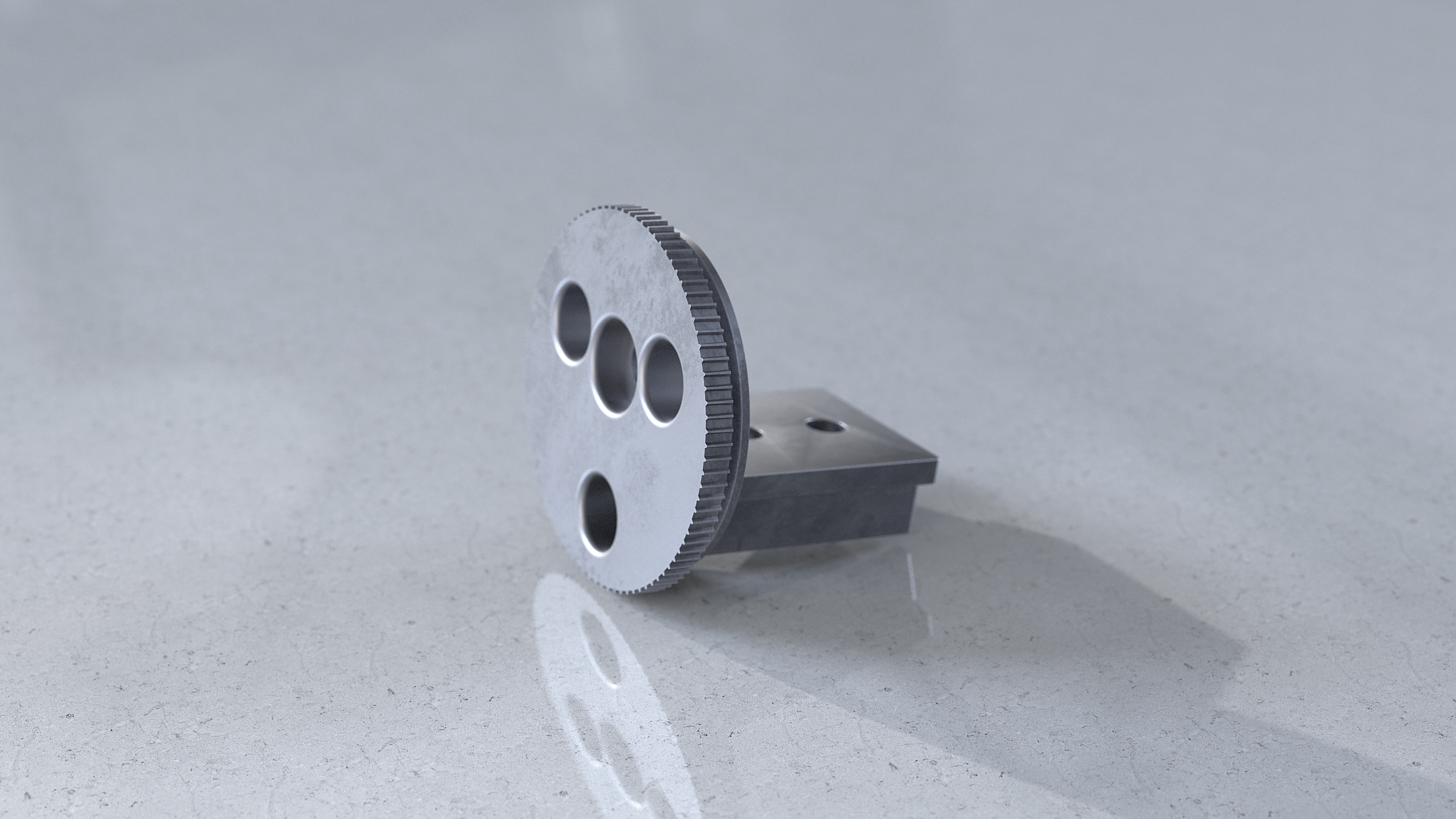
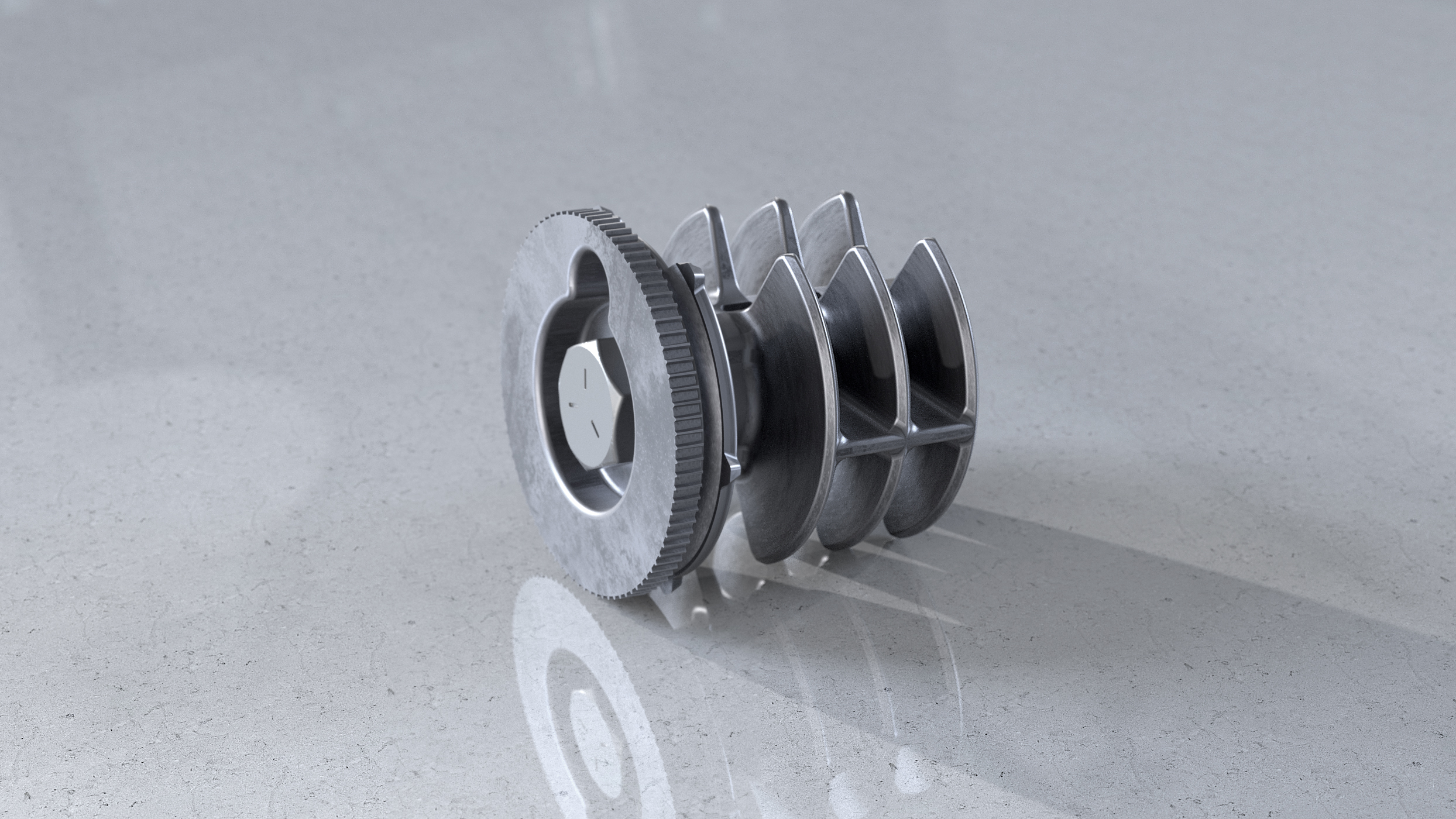
Sprocketlock™ and Pivoting Brackets
Designed for mounting to walls, posts, half walls, or glass—our brackets and connectors make installation flexible and secure.
Choosing the Right Handrail for Your Project

When comparing stainless steel vs aluminum handrails, aluminum stands out as the smarter, more adaptable choice in most scenarios. Its ease of installation, weather resistance, low maintenance, and environmental benefits make it the preferred option for residential, public, and commercial projects alike.
Explore Promenaid’s aluminum handrail systems to find the perfect fit for your project. From stairwells to walkways and entries, we provide durable, stylish, and code-compliant options built to last.